The smell of salt on the Hobart waterfront and the clatter of a scrapyard gate do not usually lead to a card table, but discipline works the same way wherever you sit down. When I map lifecycle journeys for membership programs across the APAC region, I see the same pattern: a single strong hand is not a finish line, it is a decision point. Video poker rewards players who treat a four of a kind as a checkpoint, not a celebration, and that mindset is what separates casual spins from deliberate play.
Lobby Layout and Game Discovery
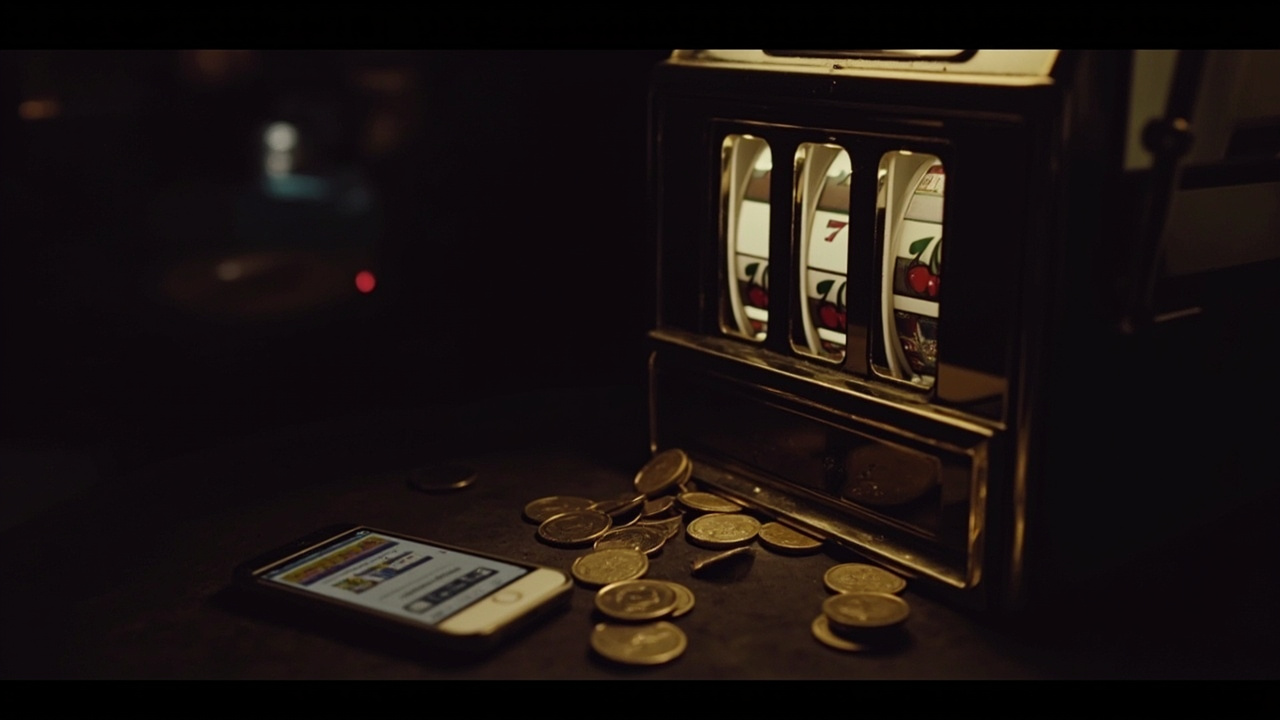
A well organised lobby makes the difference between wandering and choosing, and the first thing I check is how clearly the video poker section is separated from the slots. The lobby should sort games by denomination, hand rankings, and provider so a player can find Jacks or Better, Deuces Wild, or Jokers Wild without digging through promotions. I have run automated onboarding flows for iGaming campaigns where the wrong tile placement cost us engagement, and the same logic applies here: if the lobby buries three different paytables under one generic banner, players guess and guess wrong. Search should let you filter by coin value, bet limit, and volatility so you can match a session to your bankroll instead of hoping a thumbnail catches your eye. The providers on the floor matter too, because consistent rules across machines mean you are not relearning paytables every time you switch seats. A lobby that ranks titles by denomination first, then by rule variant, saves time and keeps the focus on the hand in front of you rather than the next shiny graphic.
Reading the Paytable Before You Bet
The paytable tells you whether a four of a kind is a destination or a stepping stone, and that distinction changes how you play every card. In a full-pay Jacks or Better machine, four of a kind pays 25 coins per unit, which sounds solid until you realise the math sometimes asks you to hold three cards and chase a straight flush instead. I have built CRM journeys where the reward tier only makes sense if the customer understands the next step, and video poker works the same way: the paytable is your roadmap, not a trophy case. Look for the gap between four of a kind and a full house, because that gap tells you whether the game is pushing you toward aggressive holds or conservative ones. Check the joker rules if you are playing a wild variant, since a single wild card can turn a holding decision from obvious to expensive in a single second. The denomination matters as well, because a higher coin value can shift the return enough to make a risky draw worthwhile or a mistake costly.
When Four of a Kind Should Stay Whole
Most of the time, a four of a kind is the hand you keep, and the reason is simple: drawing to something better usually costs more than it gains. If you hold four queens on a Jacks or Better machine, the odds of improving to a royal or straight flush are thin, and the risk of dropping to a lower payout is real. I have audited automation rules for membership reward tiers where a small percentage shift changed the entire redemption behaviour, and the same principle applies to a four of a kind: protect the payout you already have unless the math clearly points elsewhere. There are exceptions, though, and they usually involve wild cards or a paytable that pays unusually well for a straight flush. In those cases, holding three suited cards with one wild card can be the right call, but only if you have already checked the exact paytable and the coin value supports the risk. The discipline is to ask whether the draw is a calculated pursuit or a hopeful hunch, because a four of a kind is often the answer, not the setup.
Session Discipline and Bankroll Choices
A practical session starts with a bet size that leaves room for variance, and that means choosing a denomination where a single four of a kind does not wreck the plan. I have managed lifecycle campaigns where the budget per touch had to be set before the creative was ever approved, and video poker is no different: the bet size is your budget, and it should fit the session, not the mood. Set a coin value that matches the paytable you are playing, because a higher denomination can improve return on a full-pay machine but can also drain a bankroll faster if the rules are tighter. Keep the session length tied to the number of hands you want to play, not the time on the clock, so you can judge results by decisions instead of by how long you sat there. When the hand is done, the next one is a fresh decision, and that is where the real edge lives: in repeating the same careful read of the paytable, the same honest hold, and the same respect for the odds.
- Match the denomination to the paytable before you place the first bet.
- Hold a four of a kind unless the paytable and a wild card clearly justify a draw.
- Check the gap between four of a kind and a full house to read the game’s push.
- Set the bet size to the session, not the moment, so variance stays manageable.
- Treat every hand as a new decision, not a continuation of the last result.
A solid video poker strategy for four of a kind is less about chasing miracles and more about reading the paytable, protecting the hand you have, and choosing a bet size that lets the math do its work. The lobby should make that easy, the paytable should make it clear, and the session should stay disciplined enough to repeat the right calls. When you treat each four of a kind as a checkpoint instead of a finish line, the game becomes a sequence of deliberate decisions rather than a string of hopeful draws. lucky elf casino on fantasy slot releases